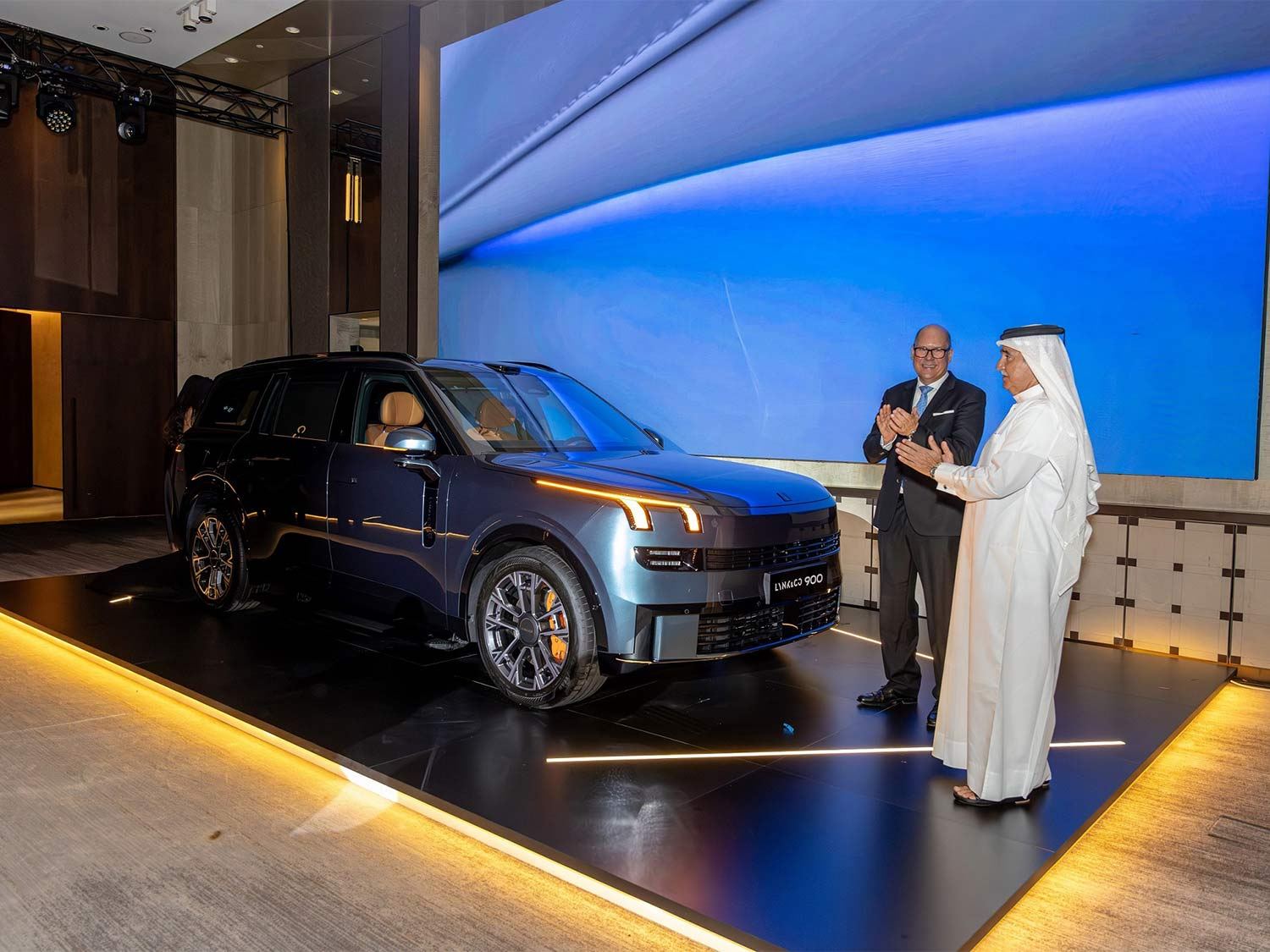
Car Launch
Car Insurance in Qatar: What You Need to Know
Third-party versus comprehensive, what affects your premium, and what to do after an accident.

Insurance is mandatory for every vehicle registered in Qatar, and you cannot renew a registration without it. Beyond that legal minimum, the choices genuinely matter. Third-party versus comprehensive Third-party liability is the legal minimum and covers damage you cause to others. It does not cover your own vehicle. Comprehensive adds cover for your own car, including collision, fire and theft. For a newer or financed vehicle it is usually required by the lender and almost always the sensible choice. Agency repair matters Look carefully at whether a policy includes agency repair — repairs at the manufacturer's authorised workshop using genuine parts. Policies without it direct you to the insurer's own approved garages. Agency repair is typically available for the first few years of a car's life and costs more. For a new car under warranty it is usually worth having. What affects your premium Insurers weigh the vehicle's value and model, the driver's age and licence history, claims history, and the level of cover. A clean record over several years earns a no-claims discount that is worth preserving. After an accident Qatari procedure requires a police report for accident claims. Do not move vehicles before the police attend unless they are obstructing traffic and you have been instructed to. Photograph the scene, exchange details, and notify your insurer promptly. Small dents settled privately can be tempting, but without a report an insurer will generally not cover the repair. Before you renew Insurance is one of the easiest bills to overpay through inertia. Premiums vary considerably between providers for identical cover, and the renewal quote from your existing insurer is rarely their best.